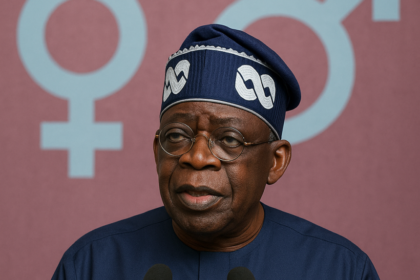











President Bola Tinubu has announced a national security emergency following a surge in kidnappings and attacks in several Nigerian states.
The declaration directs the army, police, and intelligence agencies to recruit and deploy additional personnel to address the escalating threats.
The President also called on the National Assembly to begin work on enabling states to form their own police forces to strengthen local security.
The move comes amid widespread criticism from lawmakers over the government’s decision to negotiate with kidnappers responsible for recent attacks in Kebbi, Niger, and Kwara States. In just one week, more than 300 students and teachers were abducted from schools, while worshippers were also targeted during church invasions, prompting the temporary closure of numerous schools nationwide.
“Negotiating with kidnappers sets a dangerous precedent and undermines the government’s responsibility to protect its citizens,” said Mallam Bolaji Abdullahi, National Publicity Secretary of the African Democratic Congress.
Lawmakers have called for accountability for the troops reportedly withdrawn from Kebbi schools prior to the attacks. Many criticised the government’s reliance on dialogue with criminals rather than direct action, warning that such measures could encourage further abductions and deepen public insecurity.
The Senate endorsed a motion recognising the successful rescue of hostages but urged the creation of a Joint Task Force along key routes used by bandits. Deputy Senate President Barau Jibrin suggested seeking collaboration with international partners to better address the growing security threats.
Several senators and representatives stressed that intelligence gaps and limited transparency about operations were hampering the country’s response. Senate Leader Opeyemi Bamidele warned that continued inaction could have severe consequences, urging internal reforms within the Senate’s oversight committees.
The ADC and other opposition figures criticised the Federal Government’s approach, calling for the revival of the Safe Schools Initiative and deployment of security personnel to high-risk areas. They said that allowing negotiations with bandits legitimises criminal activity and encourages further attacks.
In response, President Tinubu directed the Nigeria Police Force to increase recruitment by 20,000 officers, with additional military personnel also to be enlisted for rapid deployment. National Youth Service Corps camps are to be converted into training centres to accelerate the preparation of new recruits.
“The Department of State Services will deploy trained forest guards to track down and neutralise bandits. We will leave no safe haven for those who threaten the peace of our communities,” Tinubu said, urging citizens to remain vigilant and report suspicious activities.
The President also advised states to reconsider establishing boarding schools in isolated locations without sufficient security and encouraged religious institutions in vulnerable areas to request protective measures. He reiterated the government’s support for ranching and structured herding as a way to reduce rural insecurity and prevent conflicts between herders and local communities.