









Growing skepticism has greeted the Federal Government’s plan to settle N3.3 trillion in legacy debts owed to power generation companies (GenCos), with industry players and analysts warning that the move may do little to resolve Nigeria’s persistent electricity crisis.
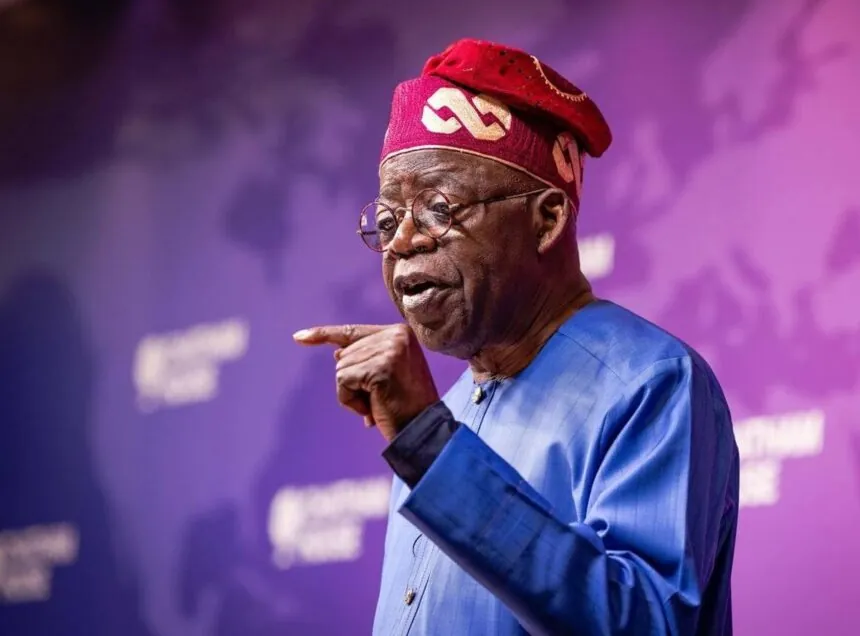
The controversy followed confirmation by presidential spokesperson Bayo Onanuga that President Bola Ahmed Tinubu had approved the payment to address long-standing liabilities in the power sector—a development that has sparked debate among stakeholders over its credibility and expected impact.
While authorities present the intervention as a major step toward stabilising the Nigerian Electricity Supply Industry (NESI), critics argue that unresolved structural issues and questionable data behind the debt figures undermine its effectiveness.
The Association of Power Generation Companies (APGC) was among the first to raise concerns, with its Chief Executive Officer, Joy Ogaji, questioning the parameters used in arriving at the N3.3 trillion figure. She noted that GenCos were not adequately consulted in the process.
Public commentary has also deepened the controversy. Arise Television anchor Oseni Rufai described the figure as “propaganda” in a post on X, referencing an earlier position by the Minister of Power, Adebayo Adelabu. However, Onanuga dismissed the claim, defending the government’s position.
READ ALSO: Nationwide Blackout as Nigeria’s Power Grid Collapses Again
The debate comes amid overlapping announcements on power sector financing, including a recent N501 billion debt resettlement bond, further fuelling confusion over the government’s strategy.
Despite these financial interventions, electricity supply across the country remains unstable. As of April 3, 2026, only 3,345 megawatts were allocated to distribution companies, leaving many Nigerians in darkness during the Easter period.
Weighing in on the development, President of the Nigeria Consumer Protection Network, Kunle Olubiyo, said the proposed payment fails to tackle the underlying challenges crippling the sector.
“As good as the payment may sound, it will not in any way address the myriad of challenges bedeviling the power sector,” he said.
He pointed to inconsistencies in the debt figures, warning that flawed data systems could compromise the credibility of the entire process.
“The fact that there exist discrepancies and conflicting claims and counterclaims further demonstrates that data collection and data generation that form the basis of the debts’ claims were not generated through Scientifically Verifiable Parameters.
“Hence the susceptibility of the data/debt claims to human elements and endemic individual corruption,” he told DAILY POST.
Also faulting the plan, Ewetumo A.A., a retired staff member of the defunct Power Holding Company of Nigeria (PHCN), accused the government of failing to move beyond rhetoric.
“The presidency is playing games,” he said, alleging that there has been no concrete implementation despite repeated announcements since 2024.
Ewetumo argued that the actual debt burden in the sector far exceeds the proposed settlement.
“Total indebtedness is around N12 trillion to the NESI. Sectional debts to GenCos are around N6 trillion,” he stated.
He further criticised the lack of transparency around the disbursement process.
“Since 2024, the federal government has been parroting payment of N3.3 trillion with no payment list,” he added.
With conflicting figures, lingering supply shortages, and concerns over accountability, stakeholders say the success of the government’s intervention will ultimately depend on broader reforms beyond debt settlement.




