







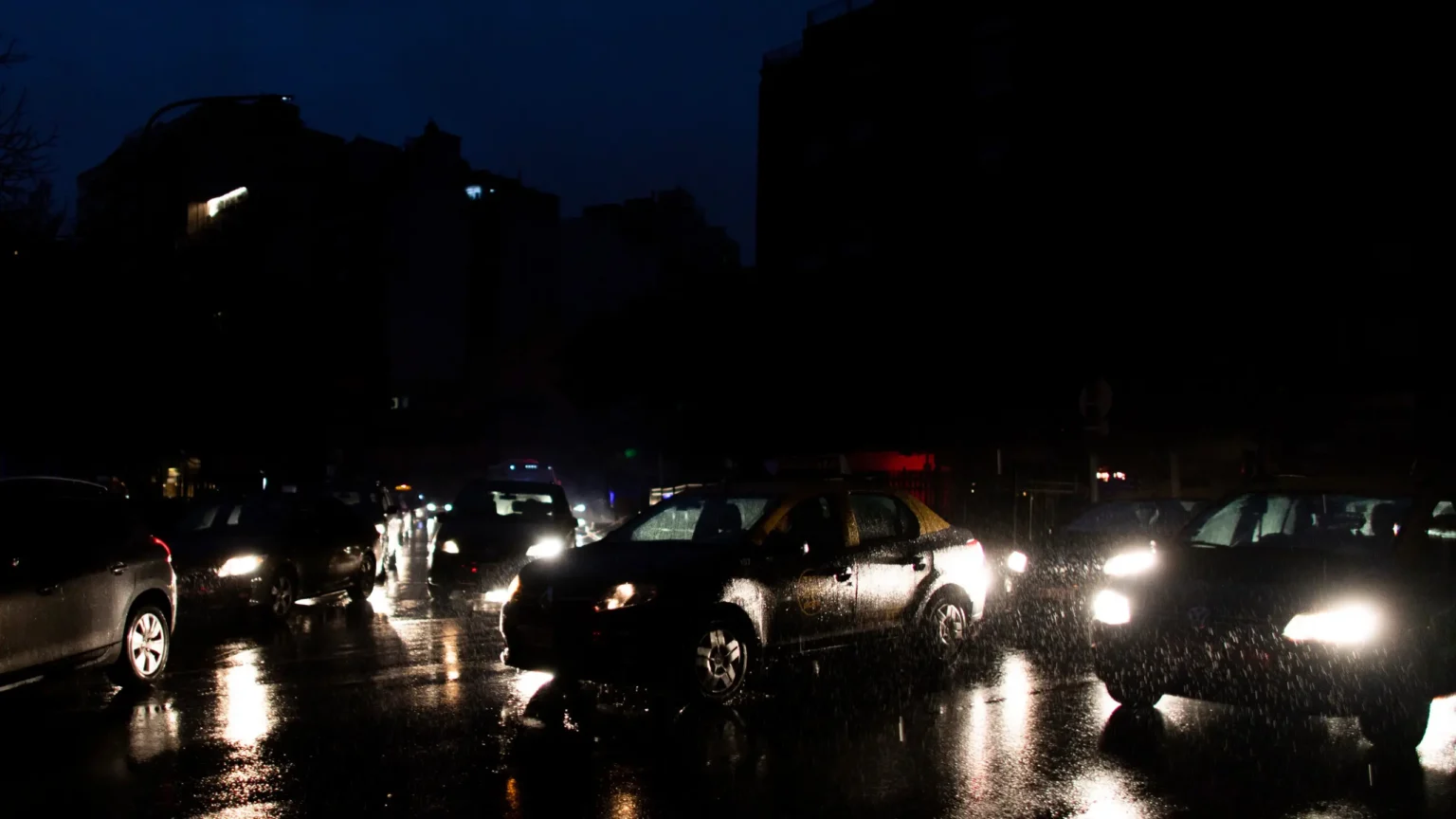

As Eid al-Fitr celebrations unfolded across Niger State, residents were met with a harsh reality: electricity supply had become almost nonexistent. Entire neighbourhoods reported days without power, with many experiencing barely two hours of electricity daily during one of the country’s most important religious festivities.
Fans stopped, water systems failed, and businesses closed early, leaving residents frustrated. “We planned for Sallah, but there was no light. With this heat, it was just unbearable,” a resident of Chanchaga said.
The blackout has exposed longstanding frustrations over the state’s power supply and raised concerns about equity as government institutions transition to alternative energy sources.
In a media briefing on February 28, 2026, Governor Umaru Bago urged residents to consider solar power as an alternative to the erratic national grid. The announcement sparked criticism from residents, many of whom view the advice as unrealistic.
“How do you tell people to go solar when they can barely afford food? The government is migrating, and citizens are left to suffer. Why not support people to make life easier?” said Garba, a trader at Minna Central Market. Others expressed skepticism about any imminent improvement. “We don’t expect anything different,” Mrs. Martha said. “If anything, it may even get worse.”
Governor Bago disclosed that several government facilities, including Government House, had already been disconnected from the Abuja Electricity Distribution Company (AEDC) and were now operating on mini solar systems. More than 180 communities, including Lambata in Gurara LGA, have also been migrated to solar. Plans are underway to transition the state water board to solar power to improve water supply.
“The shift to solar is part of a broader strategy to reduce pressure on the grid,” Bago said, without disclosing the total investment involved.
Despite hosting major hydropower facilities such as Kainji, Jebba, and Shiroro dams, Niger State continues to struggle with power reliability. Electricity generated locally is fed into the national grid and distributed through companies like AEDC, but infrastructure limitations and system losses prevent consistent supply to residents.
“Although the state hosts some of the country’s major dams, it does not own them,” Governor Bago noted. “The electricity is fed into the national grid for nationwide distribution. We are now exploring independent power generation options to reduce reliance on the grid and improve supply locally.”
At the federal level, a similar move toward energy independence is underway. The Aso Rock Presidential Villa is expected to fully disconnect from the national grid by March 2026 following the completion of its solar power project. State House Permanent Secretary Temitope Fashedemi confirmed that parts of the complex, including the State House Medical Centre, are already operating on solar. A total of N17 billion has been committed to the initiative.
The contrast between government facilities and residents’ reliance on an unstable grid has intensified debates over equity and access to power.
Communities such as Tunga, Maitumbi, Kpakungu, Maitunbi, and Bosso continue to endure prolonged outages. Abubakar Sani of Tunga said, “We don’t sleep well because of the heat. There is no light, no water. Even charging phones is now a problem.”
Hauwa Yusuf, a trader in Maitumbi, added, “I sell cold drinks, but without electricity, I am losing customers. Sometimes I buy fuel to run a generator, but it is not sustainable.”
In Lambata, where solar systems have been introduced, residents report inconsistent service. “It works during the day but stops at 8:30 pm until the next day,” one resident said. In Kontagora, electricity was available for up to eight hours daily during Ramadan, sparking speculation that supply may be politically influenced ahead of upcoming elections.
Energy expert Dr. Musa Bulus, based in Minna, acknowledged that decentralised energy solutions like solar are part of the future. “But presenting it as a replacement rather than a supplement raises serious equity concerns,” he said, highlighting the widening gap between government facilities and ordinary citizens in access to reliable power.