








Tensions between the United States and Iran have escalated again, with a senior Iranian military official warning that fresh hostilities are “likely” just hours after President Donald Trump expressed dissatisfaction with Tehran’s latest negotiating offer.
The renewed uncertainty follows Iran’s submission of a draft proposal to mediator Pakistan on Thursday, though details of the offer remain undisclosed. The proposal comes amid a fragile pause in a conflict that began in late February, when the United States and Israel launched military operations against Iran. Fighting has been largely suspended since April 8, after an earlier round of peace talks in Pakistan failed to produce a breakthrough.
Speaking to reporters, Trump signalled frustration with the pace and substance of negotiations. “At this moment I’m not satisfied with what they’re offering,” he said, attributing the delay to “tremendous discord” within Iran’s leadership.
“Do we want to go and just blast the hell out of them and finish them forever — or do we want to try and make a deal?” he added, noting he would “prefer not” to pursue military escalation “on a human basis”.
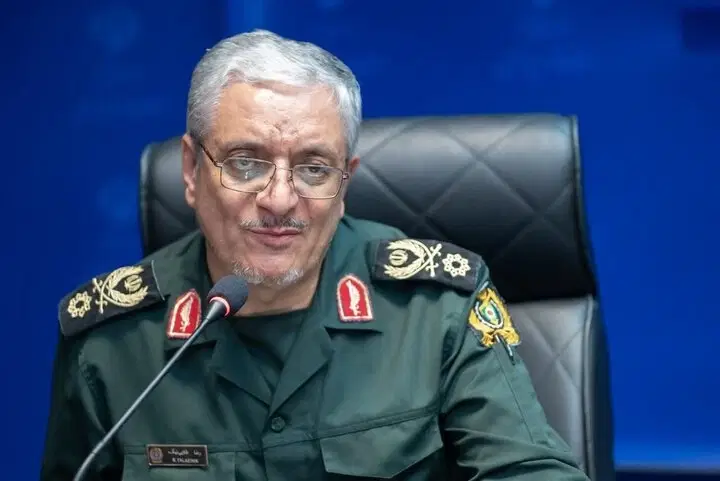
In Tehran, Mohammad Jafar Asadi, a senior figure in Iran’s central military command, echoed concerns about the trajectory of talks. “a renewed conflict between Iran and the United States is likely”, he said, according to remarks published by the Fars news agency.
“Evidence has shown that the United States is not committed to any promises or agreements,” he added.
Iran’s judiciary chief, Gholamhossein Mohseni Ejei, maintained that Tehran remains open to dialogue but would resist external pressure. He said the country had “never shied away from negotiations”, while rejecting any attempt to impose terms.
Although the White House has not disclosed specifics of the Iranian proposal, reports indicate that US envoy Steve Witkoff has suggested revisions that would return Iran’s nuclear programme to the centre of negotiations. These reportedly include restrictions on moving enriched uranium from bombed sites or resuming related activities during the talks.
Markets reacted swiftly to the diplomatic developments, with oil prices briefly dropping nearly five percent before stabilising at levels still about 50 percent higher than before the conflict. The ongoing closure of the Strait of Hormuz — a critical global energy route — continues to strain supply chains, as Iran maintains control of the passage while the United States enforces a counter-blockade on Iranian ports.
Inside Iran, the prolonged standoff is taking a toll on daily life. A Tehran resident, Amir, described the situation as one of uncertainty and frustration, saying it “feels like we are stuck in purgatory”. He dismissed hopes for a breakthrough, adding, “This is all to waste time,” and predicting that the United States and Israel “will attack again”.
Despite the relative calm between Washington and Tehran, violence persists elsewhere in the region. In Lebanon, Israeli airstrikes have continued despite a separate truce with Hezbollah. Authorities reported that 13 people were killed in southern مناطق, including Habboush, where evacuation warnings had been issued.
Meanwhile, the United States has moved to strengthen its regional alliances, approving significant arms deals including a $4 billion Patriot missile system sale to Qatar and nearly $1 billion in precision weapons for Israel.
Back in Washington, the conflict has sparked a legal and political debate over presidential war powers. Lawmakers are divided over whether Trump exceeded the deadline for seeking congressional approval, with the administration arguing that the ceasefire effectively pauses the 60-day requirement.
“There has been no exchange of fire between United States Forces and Iran since April 7, 2026,” Trump said in letters to congressional leaders, asserting that hostilities “have terminated”.
Economic pressures are mounting within Iran as sanctions tighten and trade routes remain disrupted. The US says its blockade has halted $6 billion in Iranian oil exports, while inflation in the country has surged beyond 50 percent.
“For many people, paying rent and even buying food has become difficult, and some have nothing left at all,” said Mahyar, a 28-year-old Iranian speaking to AFP from outside the country.
Iran’s supreme leader, Ayatollah Mojtaba Khamenei, urged businesses to protect jobs amid the downturn, stating that “the owners of damaged businesses should avoid, as much as possible, layoffs and separation of their workforce”. He also warned of continued resistance, invoking “economic and cultural jihad” against the country’s adversaries.