









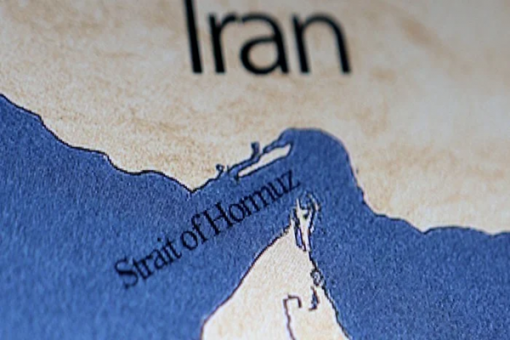

The Strait of Hormuz, a narrow but strategically vital waterway between Iran and Oman, has emerged as the epicentre of global energy concerns amid escalating tensions involving Iran, the United States, and Israel.
Industry experts note that the strait handles about 20 per cent of the world’s oil supply—roughly 20 million barrels per day—as well as a substantial portion of global liquefied natural gas (LNG) exports. Its strategic importance means that any disruption could rapidly trigger volatility in international energy markets.
The waterway has come under intense scrutiny after joint U.S.–Israeli operations targeted Iranian facilities, prompting Tehran to threaten a blockade of the strait. Shipping activity has already been affected, with several major shipping companies suspending transit and insurers withdrawing coverage due to heightened security risks.
Energy companies across the Gulf are feeling the impact. Operations linked to major producers such as QatarEnergy and Saudi Aramco have faced disruptions as the conflict jeopardises regional energy infrastructure and shipping routes.
Analysts warn that a prolonged disruption of the strait could trigger sustained global supply shortages, driving up oil and gas prices and affecting economies worldwide.
READ ALSO: ‘Surrender or Face Death’, Trump Warns Iran
Key facts about the Strait of Hormuz highlight why the waterway is so critical:
- Major Global Energy Corridor – The strait serves as the main export route for crude oil from Gulf producers including Saudi Arabia, Iraq, Kuwait, and the UAE, funneling energy to international markets.
- Extremely Narrow Passage – At its narrowest, the strait spans just 33 kilometres, with shipping lanes only a few kilometres wide, making it highly vulnerable to accidents, military activity, or geopolitical tensions.
- Iran’s Strategic Leverage – Iran’s northern coastline gives it significant influence over the waterway. Its naval forces, including the Islamic Revolutionary Guard Corps (IRGC), have the capability to deploy drones, missiles, and fast-attack boats that could threaten commercial shipping.
- Limited Alternatives – While pipelines like Saudi Arabia’s East–West pipeline exist, they cannot match the volume of oil that passes through the strait. Analysts say a prolonged closure could cause global energy shortages.
- Impact on Prices – Any disruption immediately affects energy markets. Recent tensions have already pushed global oil prices higher amid fears of supply disruptions.