









State governors under the Nigeria Governors’ Forum are intensifying consultations on a proposed framework for state policing, with fresh details pointing to ongoing deliberations on funding structures, governance models, and accountability mechanisms ahead of anticipated constitutional amendments.
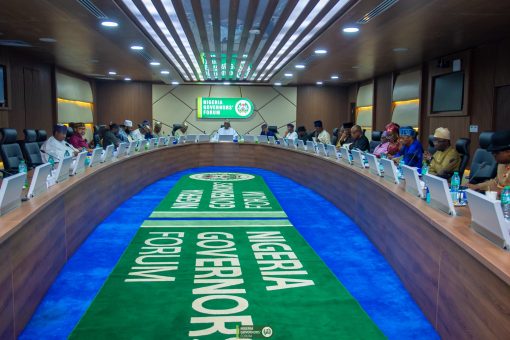
The discussions, coordinated by the NGF Secretariat, were referenced in a communiqué issued after the governors’ meeting on April 22 in Abuja, where a draft framework outlining key requirements for decentralised policing was presented.
According to findings, the proposed framework covers critical areas including governance structures, financing models, human resource standards, digital infrastructure, and oversight systems, elements considered central to the viability of any state police arrangement.
A major focus of the ongoing review is funding.
Governors are said to be weighing multiple financing options, including structured allocations through state appropriation laws, support from intergovernmental fiscal arrangements, and other sustainable funding mechanisms.
Sources familiar with the process said the objective is to ensure that any eventual state police system is “adequately funded, transparent in operation, and fiscally sustainable,” without placing undue strain on existing public finance systems.
On governance, consultations are exploring models that balance operational independence at the state level with safeguards against abuse.
These include proposals for transparent recruitment processes, strict professional standards, and independent oversight bodies to enforce accountability.
Oversight mechanisms, in particular, are receiving careful consideration due to their constitutional and national security implications, with stakeholders seeking to avoid potential conflicts between federal and state authorities.
Despite the progress, officials say no final constitutional amendment proposals have been agreed upon.
Instead, the process remains consultative, with efforts focused on building consensus among subnational governments and key stakeholders.
Confirming the development, NGF Director of Media and Strategic Communications, Yunusa Abdullahi, said the framework is still at a formative stage.
“At this stage, elements such as governance arrangements, including appointment, oversight, and disciplinary procedures, as well as funding structures, are not yet finalised positions,” he said.
“Rather, they form part of the critical issues currently being examined to ensure that any eventual framework is constitutionally sound, operationally effective, and aligned with Nigeria’s federal structure.”
He added that broader engagements involving federal authorities and security stakeholders are ongoing, noting that formal decisions would be communicated once a consolidated position is reached.




