


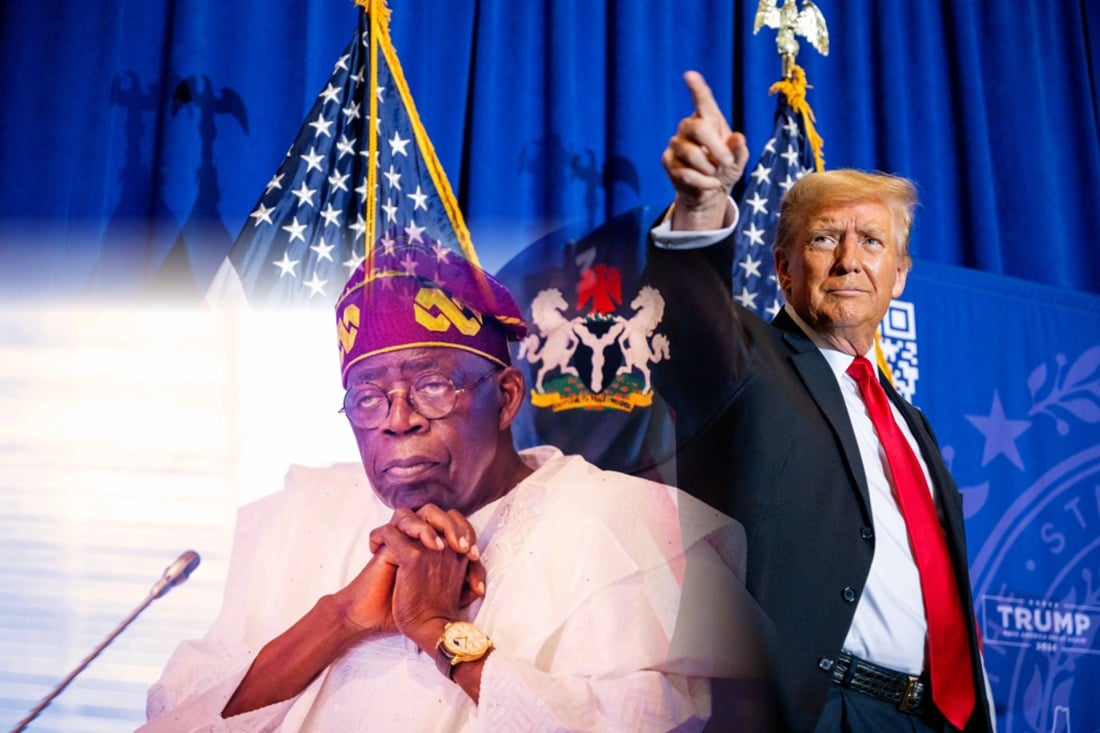


The United States (US) is considering a major shift in its assistance to Nigeria, with a new legislative proposal seeking to withhold half of allocated aid pending measurable improvements in security and governance.
The move follows approval by the U.S. House Appropriations Committee as part of the Fiscal Year 2027 National Security, Department of State, and Related Programmes appropriations bill. The wider legislation sets aside about $47.32 billion for foreign aid and diplomatic efforts, representing a reduction of roughly six per cent compared to the previous year.
Under the proposal, Nigeria would only access 50 per cent of its allocated funds upfront, while the remaining portion would depend on certification by the U.S. Secretary of State that the country is taking “effective steps” to tackle insecurity, safeguard civilians, and bring perpetrators of violence to justice.
Lawmakers tied the conditions to ongoing attacks by militant groups and violence affecting vulnerable populations. The bill also urges Nigerian authorities to prioritise assistance for victims, especially internally displaced persons, and to support the safe return and rebuilding of affected communities.
In addition, it mandates investigations and prosecutions linked to armed groups, while introducing a funding requirement that would see Nigeria match U.S. contributions to supported programmes on a dollar-for-dollar basis—potentially placing additional strain on public finances.
A committee statement said the measure is designed to “hold foreign governments accountable for persecuting people of faith”, adding that support to Nigeria would remain restricted until “measurable actions are taken” to protect at-risk groups.
The proposal further places Nigeria under closer congressional oversight, requiring the U.S. administration to notify lawmakers at least 15 days before disbursing any funds.
However, the bill has not yet become law. It must still pass both chambers of Congress and receive presidential approval before taking effect.
Nigeria has consistently rejected claims that its security challenges are rooted in religious persecution, maintaining that the violence stems from a complex mix of terrorism, banditry and communal conflicts.
If passed, the measure could mark a significant tightening of U.S. conditions on foreign assistance and reshape bilateral relations between both countries.