


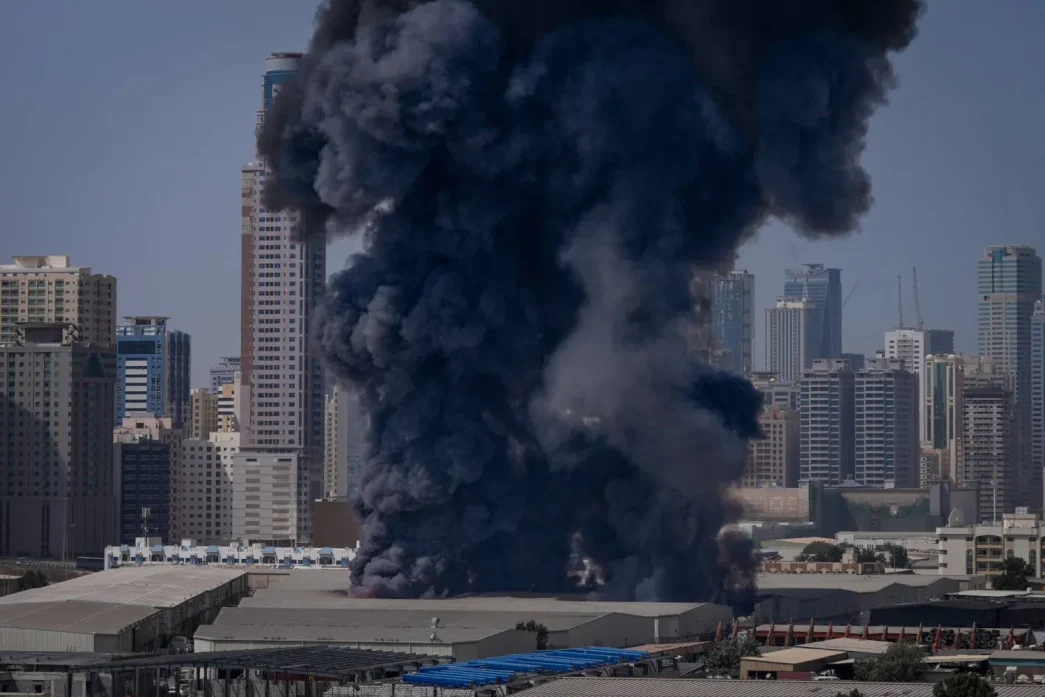


At least one Nigerian has been listed among the nationalities affected after Iranian ballistic missiles were intercepted over the United Arab Emirates (UAE), authorities in the Gulf nation have disclosed.
The UAE government said the casualties occurred as its air defence systems responded to missile attacks launched by Iran amid escalating tensions linked to alleged US military operations conducted from American bases within the country.
Providing an update on Tuesday, the UAE said its defence systems had detected a total of 262 ballistic missiles fired from Iran since the conflict began on February 28.
According to the UAE defence ministry, the majority of the missiles were neutralised before reaching their targets.
Of the total detected, 241 were intercepted and destroyed, while 19 landed in the sea. Two missiles, however, struck areas within the UAE.
The ministry said the incidents resulted in fatalities and multiple injuries involving people of different nationalities.
“These attacks resulted in 6 deaths of Emirati, Pakistani, Nepalese, and Bangladeshi nationalities, and 122 cases of minor and moderate injuries of Emirati, Egyptian, Sudanese, Ethiopian, Filipino, Pakistani, Iranian, Indian, Bangladeshi, Sri Lankan, Azerbaijani, Yemeni, Ugandan, Eritrean, Lebanese, Afghan, Bahraini, Comorian, Turkish, Iraqi, Nepalese, Nigerian, Omani, Jordanian, and Palestinian nationalities,” the ministry said.
READ ALSO: ‘Surrender or Face Death’, Trump Warns Iran
Authorities did not specify the exact number of casualties from each country.
On Wednesday, the UAE defence minister disclosed that the country’s air defence network was continuing to intercept additional missiles and drones launched from Iran.
The government reaffirmed its preparedness to respond to further threats and safeguard its national interests.
Meanwhile, Nigerians stranded across Gulf countries have appealed to the Federal Government to arrange evacuation flights to return them home amid the escalating crisis.
The exact number of Nigerians currently trapped in Iran and other Middle East countries affected by the hostilities remains uncertain.
Countries such as Qatar, the UAE, and Saudi Arabia serve as major transit and tourism hubs for many Nigerian travellers.
Chairperson of the Nigerians in Diaspora Commission (NIDCOM), Abike Dabiri-Erewa, said arrangements for evacuation would commence once flight operations resume.
According to her, Nigeria will begin repatriating its citizens stranded in the Middle East once “the airspace opens”.